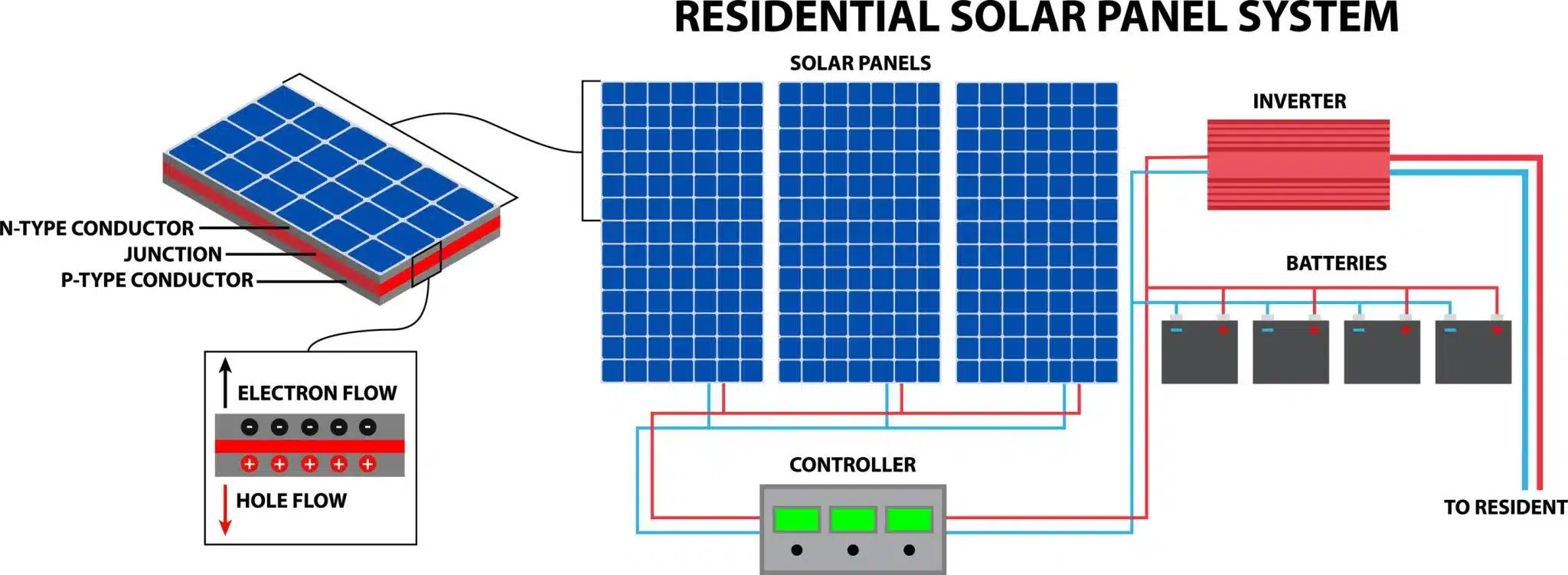
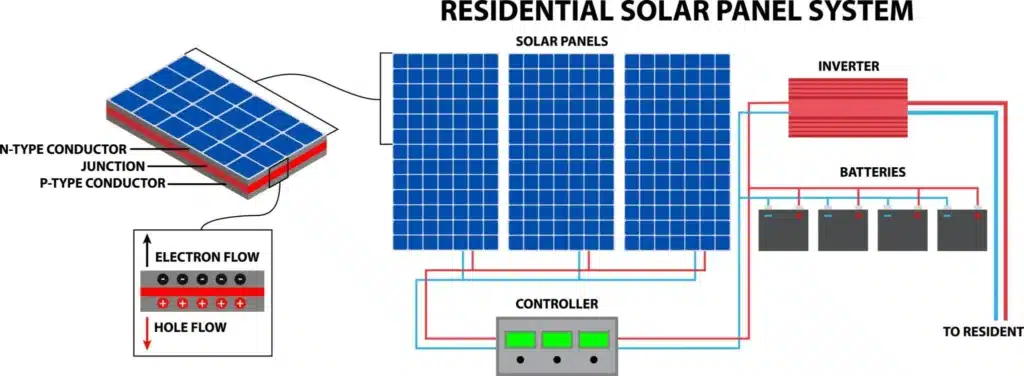
How a solar panel works has been a big qustion to most homes and solar users. Below is a simple explanation of how solar panels generate electricity for homes in Kenya using the photoelectric effect.”At Globus Solar, we are here for you. Our goal is not just to sell solar systems, but to help you understand what you are investing in. So let’s break it down in a simple, relatable way—like a story.
🌞 The Story Begins with the Sun
Imagine it is a bright morning and you are just waking up. The sun rises, and its light falls on the roof of your house where your solar panels are installed. But this is not just ordinary light, there is something way important for us carried inside the sunlight that our eyes cannot see.
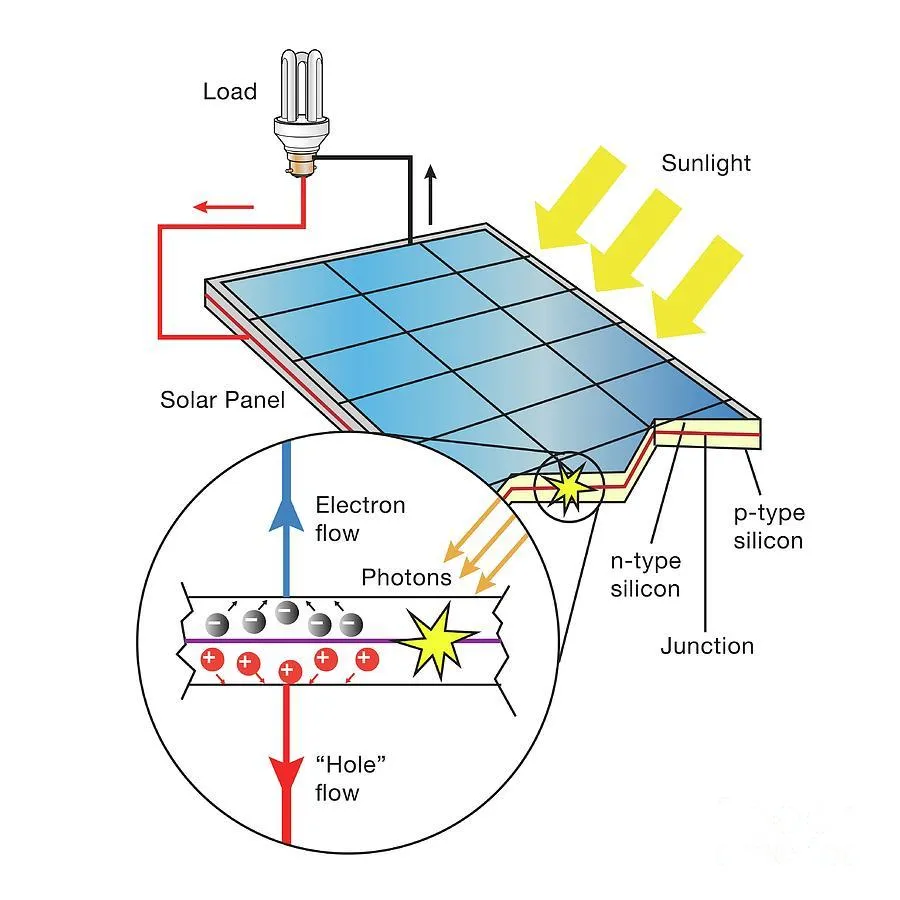
Sunlight carries tiny packets of energy called photons. These photons are the “messengers” that bring energy from the sun all the way to your home.
⚡ The Magic Inside the Solar Panel
🌞 How A Solar Panel Works: The Basics
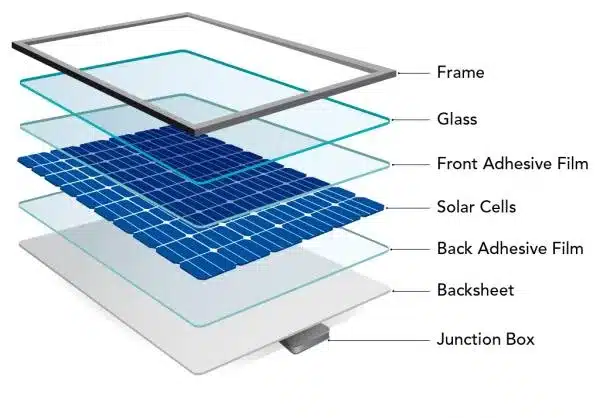
Inside every solar panel are small units called solar cells, made from a material known as silicon. Now here is where science comes in—but don’t worry, we’ll keep it simple. When sunlight hits these solar cells, the cells absorbd the energy and something amazing happens:
👉 The photons hit the silicon and knock electrons loose
Since electrons are charged ie negatively charged they start repelling one another and if a pottential difference exist, they starts flowing—and that flow creates electricity. This process is called the photoelectric effect, a scientific principle first explained by Albert Einstein. 👉 In simple terms:
Sunlight hits the panel → electrons move → electricity is produced
🔌Electricity from the solar panel to powering in your home
The electricity produced by the panel is called DC power (Direct Current). But your home uses AC power (Alternating Current). So the electricity flows into a device called an inverter.
👉 The inverter converts DC → AC
Now your electricity is ready to be used in your home.
🔋Saving energy for Later use during the night
During the day, your panels may produce more power than you need.
Instead of wasting it:
👉 The extra energy is stored in batteries, we shall cover batteries in details at another of our blogs so that you will be able to chose the best battery type for you energy needs.
So when night comes—or when there is a blackout—you still have power.
🏠 A Real-Life Example
Let’s go back to our home in anywhere in Kenya.
- During the day → solar panels directly powers your house and all other electrical appliances in use.
- Extra energy obtained→ stored in batteries
- At night → batteries supply power
👉 This means:
- Lights stay on
- TV keeps running
- Fridge stays cold
Even when there is no KPLC power.
💡 Why Understanding This Matters
When you understand how solar works:
- You make better decisions
- You avoid being overcharged
- You choose the right system size for your energy needs.
👉 And most importantly—you gain confidence in your investment. Below is a crossection of a solar panel.
🚀 Let Globus Solar Help You Get Started
At Globussolar, we make solar simple.
We use high-quality, trusted brands, and our systems are installed by experienced professionals to ensure long-term performance.
👉 We also offer FREE site surveys and consultations where we:
- Visit your home or business
- Assess your energy needs
- Design the right system for you
With warranties of up to 10 years, you can be confident you are investing in reliable, long-lasting power.
👉 Contact Globus Solar today and book your FREE site visit.
Ready to harness the power of the sun?
Let’s bring clean, reliable energy to your home.
❓ Frequently Asked Questions
1. Do solar panels work when it is cloudy?
Yes, they still produce power but at a lower level.
2. Can solar power run a fridge and TV?
Yes, with the correct system size.
3. How long do solar panels last?
Most panels last 20–25 years.
No responses yet